
If you’ve ever typed “women’s health care clinic nilai” into your phone at 10 pm, it’s usually not because you’re casually browsing. It’s because you want answers fast – about a late period, a pregnancy scan, unusual discharge, persistent pelvic pain, or that quiet worry that something feels “off.” And you want a clinic that treats you with respect, explains things clearly, and doesn’t make you feel rushed.
Nilai and the surrounding areas have grown quickly, and with that growth comes a real need for women-centered care that feels personal, not hospital-like. The best clinics are the ones that combine two things that often don’t show up together: consistent clinical standards and a calm, reassuring experience.
What a women’s health care clinic in Nilai should actually cover
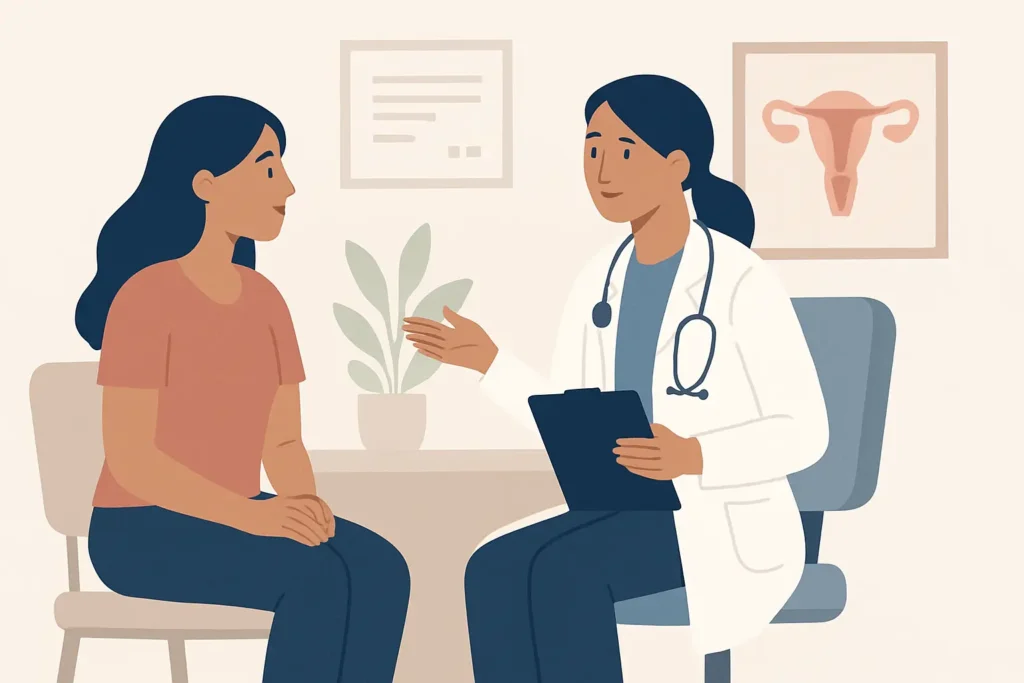
A true women’s health care clinic is not just “a clinic that also sees women.” It should be able to support you across the full arc of reproductive health: from period concerns and contraception counseling to pregnancy monitoring, postnatal checks, and preventive screening like Pap smears.
Just as importantly, it should be a place where you feel comfortable asking sensitive questions. Many women delay care because they’re embarrassed, worried they’ll be judged, or unsure how to describe symptoms. A women-centered clinic should make those conversations feel normal and safe.
When to come in: common reasons women book a visit
Some visits are straightforward – you know what you need. Others start with a vague symptom that’s hard to pin down. In a primary care women’s clinic, it’s normal for the appointment to begin with “I’m not sure, but something doesn’t feel right.”
You should consider getting checked if your period pattern suddenly changes, your bleeding becomes heavier than usual, your cramps become disruptive, or you’re having bleeding between periods. The same goes for persistent pelvic pain, pain during intercourse, changes in vaginal discharge or odor, or new itchiness that doesn’t settle.
And if you’re trying to conceive, recently found out you’re pregnant, or have a history that makes you anxious (previous miscarriage, complicated pregnancies, irregular cycles), having a clinic that can follow you closely can make a big difference to your peace of mind.
Pregnancy care: the value of consistent follow-ups
Pregnancy is not only about the “big scan.” It’s the rhythm of follow-ups that keeps you and baby monitored in a steady, reassuring way. A good women’s health care clinic will guide you through antenatal visits at the right intervals, track blood pressure and weight, review symptoms like dizziness or swelling, and check for warning signs that need earlier intervention.
In Malaysia, many mothers also want structured support aligned with the “Buku Pink” framework. When a clinic understands that flow, visits feel organized. You know what’s next, what tests are due, and what symptoms are normal versus what needs attention.
Ultrasound scans: 2D, detailed scans, and what they’re for
Ultrasound is both clinical monitoring and emotional reassurance. The clinical side is important: confirming viability, checking gestational age, monitoring growth, reviewing placenta position, and checking fluid levels when appropriate.
The experience side matters too – especially for first-time parents. Some clinics offer more premium scan options that focus on clearer views and keepsake-style outputs like softcopy images or short videos. If that matters to you, ask what’s included, what you’ll receive afterward, and what gestation weeks tend to give better visibility.
It also depends on your goal. If you need a quick, medically focused scan, a standard 2D scan may be sufficient. If you’re hoping for more detailed facial features and a more “meet the baby” moment, premium scans can be more satisfying – but they’re not always possible if baby’s position isn’t cooperative. A good clinic will set expectations kindly, not oversell.
Walk-in scans and extended hours: why convenience matters
Pregnancy symptoms don’t always respect office hours. The reality for working moms (and dads) is that daytime appointments can be hard. Clinics that run longer hours and welcome walk-ins for scans can be a lifesaver when you need to confirm something quickly or you just can’t take time off work.
Convenience is not just comfort – it can also reduce delays. When you can be seen sooner, you spend less time worrying at home.
Postnatal care: not just for the baby
After delivery, attention naturally shifts to the newborn – but your recovery matters. A postnatal check should cover bleeding patterns, pain, wound or scar healing if applicable, and overall energy and sleep. It’s also a good time to talk about breastfeeding challenges, mood changes, and family planning.
Many mothers are surprised by how common certain symptoms are, and how treatable they can be when addressed early. If you feel persistently overwhelmed, unusually tearful, or disconnected, that deserves care and support – not dismissal.
Preventive screening: Pap smear and HPV screening
Screening is one of the most practical forms of self-care because it’s proactive. A Pap smear can detect changes in cervical cells before they become serious. HPV screening helps identify high-risk HPV types linked to cervical cancer.
Women often delay these tests because they’re anxious about discomfort or they feel shy. In a women-centered clinic, the approach should be gentle, explained step-by-step, and done with respect for privacy. Ask how long the test takes, when results are typically ready, and what follow-up looks like if something is abnormal. Most abnormal results do not mean cancer – they mean “let’s investigate properly.”
Period concerns: what’s normal, what’s not, and when it depends
Period changes can happen due to stress, weight changes, travel, new exercise routines, postpartum hormone shifts, or underlying conditions. Sometimes the cause is simple and temporary. Other times, it needs a closer look.
If you’re having very heavy bleeding (soaking pads frequently), prolonged bleeding, severe pain that interferes with daily life, or symptoms like dizziness and fatigue, don’t “wait it out” month after month. A clinic can assess for anemia, hormonal imbalance, fibroids, infection, or other causes. The right plan depends on your age, your pregnancy goals, your medical history, and how disruptive the symptoms are.
A clinic that’s truly family-first (because life doesn’t pause)
Many women want a women’s health care clinic that can also care for the rest of the household. That matters when you’re pregnant and also have a toddler with a fever, or you’re postpartum and someone needs a flu swab, or you want a single place that can handle routine family needs.
A family-first clinic should be comfortable for kids, patient with anxious little ones, and practical for parents. It should also be able to support newborn and child care, including vaccinations aligned with Malaysia’s Ministry of Health (KKM) schedule, basic nebulizer treatments when needed, ear checks, and general pediatric sick visits.
For adults, the ability to manage common illnesses (fever, flu symptoms), provide basic health screening packages, and perform minor procedures like wound care and dressing can reduce the need to bounce between different providers.
How to choose the right women’s health care clinic in Nilai
The “best” clinic depends on what you need most right now. If you’re early in pregnancy, you may prioritize scan availability, clear explanations, and consistent antenatal follow-ups. If you’re coming for Pap smear or HPV screening, you may care most about privacy, a gentle approach, and straightforward results counseling. If you’re a working mom, operating hours might be the deciding factor.
Pay attention to the small signals: Do they explain pricing clearly? Do they communicate quickly? Do you feel listened to, or do you feel rushed? Are female doctors available if that’s important for your comfort? And do patient reviews consistently mention respect, clarity, and a calm experience – not just “fast service”?
If you’re looking for a women-centered, family-first clinic option in Nilai with extended operating hours, walk-in scan convenience, and women’s health care services led by female doctors, you can also view services and booking details at Poliklinik Raudhah Raisha Nilai.
What to bring to your visit (so you get the most out of it)
If you’re coming for pregnancy care, bring your Buku Pink and any prior scan reports or lab results you have. If you’re coming for period issues or pelvic symptoms, it helps to note the first day of your last period, typical cycle length, and what has changed recently. If you’ve already taken a home pregnancy test, bring the date and result.
Most importantly, bring your questions. If you’ve been worried at night and rehearsing what to ask, write it down. A good clinic will welcome that – and you should leave feeling clearer than when you arrived.
The goal isn’t to find a “perfect” clinic. It’s to find a place where you feel safe getting checked early, asking directly, and coming back for follow-ups without hesitation – because that’s what keeps care consistent, and consistency is what protects your health over time.