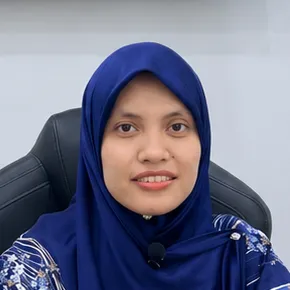
You can feel it the moment you start searching – you do not just want “a clinic.” You want a place where you can say what you are worried about without feeling judged, rushed, or brushed off. For many women, especially during pregnancy or when dealing with intimate concerns like period changes, discharge, pain, or screening tests, a female doctor simply feels safer.
If you are looking for a female doctor clinic Nilai, this guide walks you through what “good care” should look like in real life – how the visit usually flows, which services matter most, and how to choose a clinic that is genuinely mesra wanita, mesra bayi, and mesra keluarga.
Why many women choose a female doctor clinic in Nilai
Most women are not “being picky” when they ask for a doktor wanita. They are trying to remove friction so they can speak openly and get accurate care faster. When you are comfortable, you are more likely to describe symptoms clearly, agree to an exam when it is necessary, and ask the questions you have been holding back.
This matters for pregnancy too. Antenatal care is not one appointment – it is a relationship over months. You want consistency, a doctor who explains what they are checking and why, and a place that feels calm even when you are anxious.
There is a trade-off, though. Popular female-doctor clinics can be busy at peak hours, and walk-in convenience sometimes means waiting. A good clinic manages this with clear communication, fair turn-taking, and a team that keeps the flow moving without making you feel like a number.
The services women usually need most
A strong women-centered primary care clinic does more than treat flu and fever. It covers the common concerns that show up in real life – the “I am not sure if this is normal” moments.
Pregnancy care that stays consistent
For most moms-to-be, the basics are the big deal: reliable antenatal follow-ups, blood pressure and weight monitoring, urine checks when needed, and practical guidance that fits your stage of pregnancy. If you are using Buku Pink, you also want a clinic that understands structured maternal care and can guide you through what is recorded, what is monitored, and what should trigger an earlier review.
Pregnancy care also depends on your risk profile. If you have diabetes in pregnancy, high blood pressure, previous complications, bleeding, reduced fetal movement, or severe vomiting, it may depend on how stable you are and whether you need shared care with a hospital or specialist. A responsible clinic will tell you clearly when clinic monitoring is appropriate and when referral is safer.
Ultrasound scans that feel reassuring, not intimidating
In Nilai, many women actively look for clinics with strong ultrasound capability because scans reduce uncertainty. A typical 2D ultrasound is used for clinical monitoring – confirming pregnancy, checking fetal heartbeat, estimating gestational age, monitoring growth, and looking at placenta position when indicated.
Some clinics also offer more premium experiences, such as detailed 5D-style scans where parents can see baby’s features more clearly and receive softcopy images or video. This can be emotionally meaningful, especially for partners and siblings, and it often helps families bond with the pregnancy. The trade-off is that “beautiful images” still depend on baby’s position, maternal body habitus, and gestational timing. A good doctor will set expectations early so you do not feel disappointed if baby decides to face the other way.
Pap smear and HPV screening without the awkwardness
Screening is one of the most important reasons women seek a female doctor, because discomfort and embarrassment are the main reasons people delay. You want a clinic that explains the purpose of Pap smear and HPV screening in plain language, tells you what the test will feel like, and keeps the process respectful and quick.
Timing can matter. If you are on your period, recently had intercourse, or have an active infection, the doctor may advise rescheduling depending on your symptoms and the type of test. If you are pregnant, your doctor will decide if and when screening is appropriate based on your history.
Period concerns, pain, and symptoms you cannot ignore
Period changes are common, but “common” does not mean you should normalize suffering. Painful periods, very heavy bleeding, spotting between periods, late cycles, and symptoms like dizziness or fatigue deserve assessment. Many women come in thinking they will be told to “just tahan,” but a women-centered clinic should ask the right questions – pattern, duration, pregnancy possibility, contraception use, and any red flags.
Sometimes the outcome is simple: reassurance, iron support, or short-term medication. Other times, you may need a scan, blood tests, or referral. The best clinics make the next step clear and do not leave you guessing.
Family-first care matters too (because life does not pause)
A clinic that truly understands women’s health usually understands family health as well. Moms often carry the whole household schedule – pregnancy check today, toddler fever tomorrow, husband flu test the next day.
A mesra keluarga clinic should be comfortable for newborns and kids, with staff who know how to handle little patients gently. Childhood vaccinations aligned with KKM schedules are a big trust marker for young families. When your clinic can do routine childhood care, minor illnesses, and follow-ups in one familiar place, it reduces stress and saves time.
For adults and seniors, accessible primary care matters: chronic monitoring, basic health screening, minor procedures, wound care and dressing, ear treatment, and nebulizer treatments for breathing issues. A clinic that can also do influenza testing or flu swabs is helpful during seasonal spikes when you want answers quickly.
What a good visit looks like (step by step)
When you are choosing any female doctor clinic Nilai, you can use the visit flow as a “quality checklist.”
First, you should be able to ask questions easily before you come in – what to bring, whether walk-in is allowed for scans, expected waiting time, and approximate pricing. Clinics that are WhatsApp-friendly tend to be smoother for busy moms and working women.
Second, registration and vitals should be efficient, especially for pregnant mothers who cannot stand too long. The environment should feel calm and respectful. Privacy matters – not just in the consultation room, but also in how staff speak to you at the counter.
Third, the consultation should feel like a conversation. A good female doctor will take a focused history, explain what she is looking for, and check your understanding. If an examination is needed, she should ask consent clearly and explain each step.
Finally, you should leave with a plan you can follow: what the diagnosis likely is, what warning signs mean you should return earlier, and when your next follow-up should be.
How to choose the right clinic in Nilai (without overthinking)
Start with the needs that matter most to you. If you are pregnant, prioritize consistent antenatal follow-ups, ultrasound availability, clear Buku Pink guidance, and a doctor who explains findings in a way that reduces anxiety. If you are coming for Pap smear or HPV screening, prioritize privacy, respectful technique, and a clinic that makes you feel normal for asking.
Next, look at access. Extended hours can be the difference between delaying care and actually getting it done. A clinic that runs from morning to night is easier for working women, and it is also more realistic for families juggling school pickups and naps.
Then consider transparency. You do not need the cheapest clinic – you need fair pricing, clear communication, and no surprises. Value pricing plus good service is what most families describe as “berbaloi.”
Lastly, pay attention to social proof, but read it wisely. Five-star reviews matter when they repeatedly mention the same themes: doctor explains clearly, staff polite, scanning experience reassuring, clinic comfortable, and the whole process feels smooth. One glowing review is nice. A pattern of consistent feedback is what builds trust.
A women-centered option in Nilai
If you want one place that covers pregnancy monitoring, women’s health screening, baby-and-kid-friendly care, and day-to-day family clinic needs with a strong ultrasound experience led by female doctors, Poliklinik Raudhah Raisha Nilai is built around that exact promise. The clinic is known for accessible hours (9am-9pm, Monday to Saturday), walk-in-friendly scans, and the kind of warm, respectful care that women and young families actively look for.
What to ask when booking (so you feel prepared)
Before you come in, it helps to message the clinic with a few simple questions: whether you can walk in for the service you want, what documents to bring for pregnancy follow-ups, and what timing is best for scans or screening. If you are coming for a detailed scan, ask about the best gestational window and what affects image quality. If you are coming for Pap smear or HPV screening, ask if there are any timing considerations based on your cycle.
You do not need to memorize medical terms. The goal is to arrive feeling steady – knowing you will be heard, examined respectfully when necessary, and given a plan you can follow.
A good female doctor clinic is not just about having a woman doctor on the schedule. It is the whole experience: comfort, clarity, and care that makes you feel safe enough to tell the truth about what you are experiencing. When that happens, getting help becomes simpler – and you walk back out feeling more like yourself.